
Not All Health Foods Are Healthy
 If you’re trying to eat healthy and just take the advice of television commercials or the hype on the labels, you’ll soon realize that not all health foods are healthy. One look at the label that reads like a college chemistry formula should scare you into doing far more research than ever. Even though that tub of margarine says vegan, it doesn’t mean its healthier than butter—especially butter from the milk of grass fed raised cows. Butter has been part of the human diet for almost 4000 years. It has just one, possibly two ingredients if its salted, unlike many of the margarine “health food” butters. Many of the “healthy” non-butter alternatives contain far more ingredients with things like “natural flavors” (code word for chemicals) and substances not in a whole food diet.
Fat free and low fat milk products should be eliminated from your shopping list.
There’s nothing wrong with a little fat in your diet. In fact, it actually may help you lose weight. It leaves you feeling fuller. Studies show that people who drink whole milk have a 46 percent lower risk of diabetes and 8 percent lower risk of obesity. When fat is removed from milk, it’s often replaced with sugar for added flavor. About everyone is now aware of the dangers of consuming sugar, so why add it to your diet when you don’t need it? The best milk to drink comes from cows that were pasture raised and is 100% organic. While raw milk isn’t allowed for sale in most areas, it’s a healthy option too.
Non-organic or overcooked meat can have its health risks.
When you eat meat, you eat what the animal ate. If it’s not organic, you could be consuming not only what the animal ate, but also what it was subjected to in life. If it had high amounts of hormones and antibiotics, that could be part of your meal, too. Consider the rise of superbugs. They not only occur because of over prescribing antibiotics, the use of antibiotics in the meat industry also fuels them. Overcooking meat also creates HCA—heterocyclic amines. These are listed as cancer causing agents.
Granola and granola bars may be just glorified candy bars.
You grab a granola bar or two for a snack and congratulate yourself on making such a healthy choice, but are you? Many of the bars have loads of added sugar, artificial flavor, preservatives and refined oils. When you read the label, it’s not just natural ingredients. High fiber bars are also poor contenders for since much of the fiber doesn’t come from traditional sources, but chicory root or other tasteless added fiber sources. You’re far better off eating granola bars where the fiber comes from whole grains or nuts. The shorter the list of ingredients, the better.
- Don’t be tricked into buying food just because it says gluten free. Many foods are naturally gluten free. Unless you have celiac disease, choose your healthy product based on nutritional value.
- Pre-prepared frozen diet food in a tray may look easy, but it often lacks the nutrients you need in a meal and frequently leaves you hungry. Fresh vegetables can make a quick meal that’s far more nutritious and with no extra chemicals or preservatives.
- Frozen yogurt sounds like a healthy food, but it’s packed with sugar and flavoring. Just say no and grab a live culture yogurt—Greek is really tasty—and top it with fresh fruit.
- Skip the veggie burger if it’s made from “textured vegetable protein” or soy. It doesn’t contain veggies. Look for alternatives that actually contain vegetables or grill a portabella mushroom burger for a real taste treat.
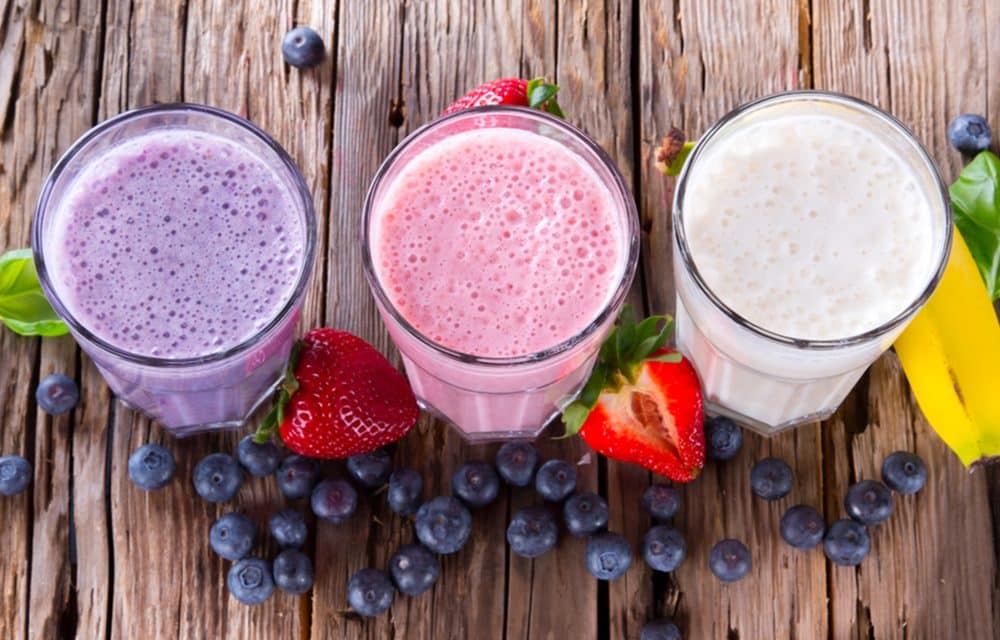
 Everyone loves green smoothies and those icy cold drinks that cool you down and taste a bit like drinking a fruity malt, but did you know warm smoothies can be just as inviting, especially on cold days. Whether it’s winter or just a chilly spring or fall day, a warm smoothie can be just what you need to boost more vegetable intake and cut back on fruit that most cold smoothies contain.
 you simply can’t get out of the house to do it, you need to consider the type of personal training for people on the go that works with your hours and situation. Even the best laid plans and scheduled times are sometimes difficult to keep, when it happens consistently, going back to the drawing board and creating another option is probably the best way to handle the situation.
 The question include, is this the real miracle that Tony says it is? Does everyone get results? Why does it work?
 There’s no magic to becoming fit. It’s nothing more than learning the habits of healthy people and develop those habits. Even though it’s not magic, it doesn’t mean it’s easy. In fact, if you have unhealthy habits, such as smoking, think of how hard it is to quit. In reality, you’re really relearning the habit of not smoking. It’s easy to identify some of the habits like not smoking, avoid illegal substances or excessive drinking, but not all habits are that easily identified.
 Not everyone works with a personal trainer who pushes them hard to achieve the best possible results. For those working out on their own, it may be better to ease into exercise to help prevent injury and avoid the aches and pains that often put exercising on the bench. Even trainers may recommend starting slow at first, particularly for those incredibly out of shape or who have health conditions that might be exacerbated by too much, too soon.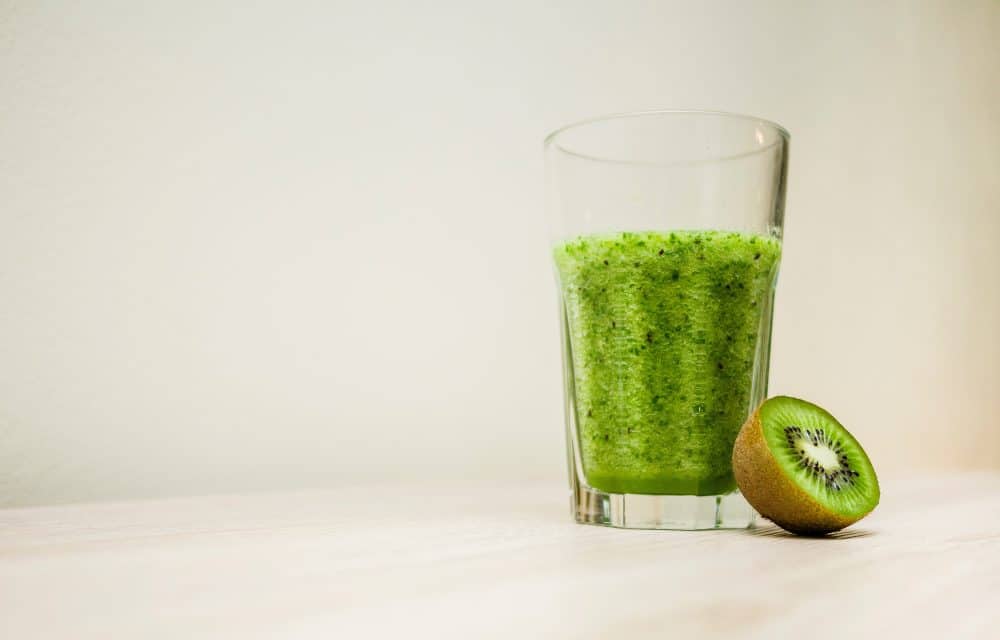
 Some people advocate cleansing for weight loss. I have mixed emotions about the safety and effectiveness of doing it. To complicate matters even more, there are all types of cleanses that are supposed to help you shed pounds. Each one works differently. For instance, a colon cleanse helps empty the colon of built up waste. There are several ways to cleanse the colon. Some people use it for weight loss. Other cleanses use detox diets and there’s a load of those too.
 Workouts for real life help your body prepare for those activities you do everyday. If you’ve ever bent down and picked up something relatively light, only to have a sharp, stabbing pain in your back that continued for days, you know what I mean. Functional fitness helps all the muscles of the body work together and gets you ready for tasks you would do daily, whether at home, work or play. It emphasizes core stability too.
 You may avoid chocolate, candy, cakes and cookies, never letting a bit of carbonated soda touch your lips and think you have the sugar problem conquered. You may be wrong. Sugar seems to be in everything from the ketchup on your burger to commercial soups and bread. It’s often in the form of high fructose corn syrup, which is disguised by using other names such as natural corn syrup, isolated fructose and glucose/fructose syrup. My favorite is maize syrup. It sounds so natural, since maize is a derivation of the name the indigenous people of pre-Columbia America gave to corn. Sugar was never meant to be eaten in such quantity and studies show there’s a price to pay. Is sugar ruining your health? I believe the answer may be yes.